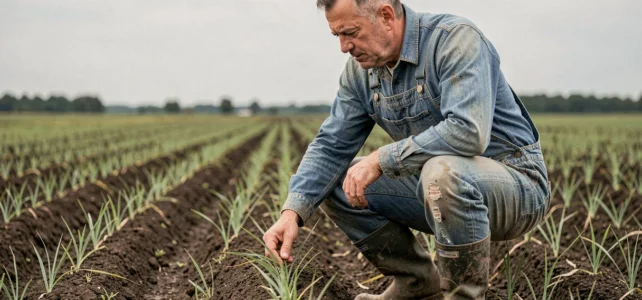
Farmer, cultivator, operator: these terms come up in conversations about the rural world without their scope always being clear. The difference between a farmer and a cultivator lies less in daily work than in the legal relationship with the land. Understanding what separates these statuses allows for a better understanding of the economic and social realities of the French agricultural sector.
Legal status and relationship to the land: the criterion that separates everything
The term “cultivator” refers to anyone whose professional activity is based on soil cultivation or livestock breeding. It is a generic term that encompasses both the cereal farmer from Beauce who owns his plots and the market gardener renting a greenhouse on the urban outskirts.
The farmer, on the other hand, refers to a more precise status. He operates lands that do not belong to him, under a rural lease concluded with a landowner. This lease sets a rent called “fermage,” regulated by prefectural scales.
| Criterion | Cultivator (generic term) | Farmer (specific status) |
|---|---|---|
| Land ownership | Owner or tenant | Tenant only |
| Contractual framework | Variable (ownership, lease, sharecropping) | Rural lease at farm |
| Land rent | None if he is the owner | Regulated fermage |
| Management freedom | Total if he is the owner | Restricted by lease clauses |
| Transmission | Sale or succession of the business | Transfer of the lease under conditions |
When trying to understand the role of a cultivator or a farmer, it is this question of land ownership that constitutes the fundamental dividing line.
Fermage, sharecropping, ownership: modes of agricultural operation in France
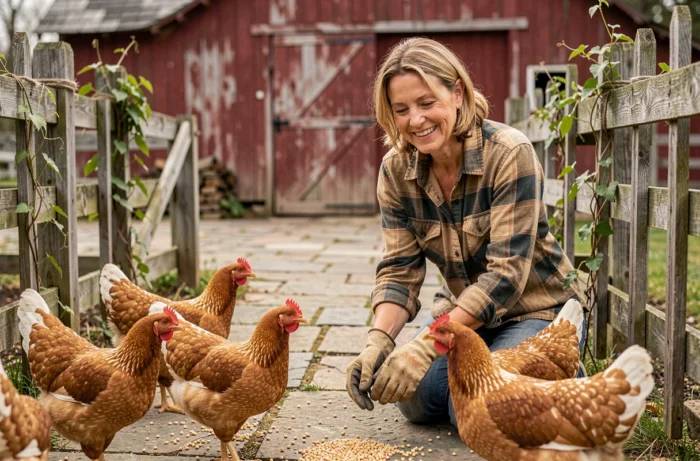
Fermage is not the only non-owner mode of operation. Sharecropping, which is older, is based on a sharing of the harvest between the owner and the operator. The share going to the owner varies according to contracts, but the principle remains the same: the sharecropper does not pay a fixed rent, he shares his production.
In practice, sharecropping has significantly declined since the second half of the 20th century in favor of fermage, which is legally more protective for the operator. The rural lease at farm guarantees the farmer a right to renewal and a framework for the amount of fermage.
The third scenario is direct exploitation: the cultivator owns his land. He does not have to answer to any landlord, but bears the full cost of acquiring the land, which is often considerable.
- The farmer rents the land through a rural lease and pays an annual fermage regulated by prefectural decree.
- The sharecropper shares the harvest with the owner according to a key defined contractually.
- The owner-operator holds the land and assumes all the financial risk related to the land.
Spouse of a cultivator and social status: what changes with the 2026 law
The difference between cultivator and farmer is not limited to land ownership. The social framework in which these professionals operate is evolving. The 2026 Social Security financing law organizes the gradual disappearance of the status of collaborating spouse.
This status mainly concerned women (over 80% of collaborating spouses). The reform pushes towards statuses of farm manager or co-operator, with a decreasing exemption from social contributions for five years to facilitate the transition.
This evolution shows that the terms “cultivator” or “operator” cover very different social rights realities depending on the status chosen within the same operation. The same daily work can generate radically different retirement rights depending on whether the person is declared as a farm manager, co-operator, or simple family helper.
Strengthened legal protection for farms
The 2026 agricultural law also strengthens the physical protection of production sites. Illegal intrusion into a breeding or slaughtering site is now punishable by 2 years in prison and a 45,000 euro fine. Penalties for illegal occupation of agricultural land are doubled.
This provision concerns both the tenant farmer and the owner cultivator. It recognizes the specific vulnerability of agricultural operations, regardless of the land regime.
Peasant, operator, cultivator: why vocabulary matters
The term “peasant” carries a different symbolic weight. Etymologically linked to the country, to the territory, it evokes a direct relationship with a terroir. Long perceived as pejorative in everyday language, it is experiencing a revival driven by movements valuing short circuits and peasant agriculture.
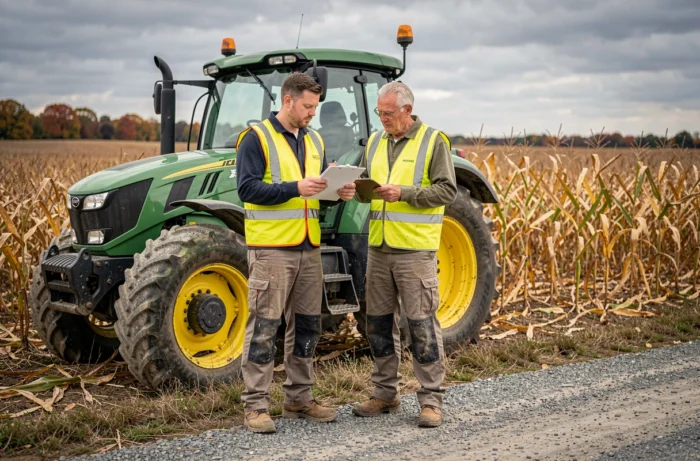
“Agricultural operator” is the administrative designation used by the MSA (Agricultural Social Mutuality) and tax services. It encompasses all professionals declaring agricultural profits, whether they are owners, farmers, or sharecroppers.
- “Cultivator” is the broadest term: it refers to anyone who works the land or raises animals professionally.
- “Farmer” specifies the relationship to land: it is a cultivator who rents his land through a rural lease.
- “Agricultural operator” is the administrative and tax category that groups all farm managers.
- “Peasant” refers to a cultural identity and a link to the terroir, without a defined legal value.
Each of these words describes a facet of the same profession. The choice of term reflects a social, legal, or identity positioning, not a difference in technical skills. An organic farmer selling through short circuits and a cereal farmer owning several hundred hectares both practice the profession of cultivator, under vastly different economic and legal conditions.