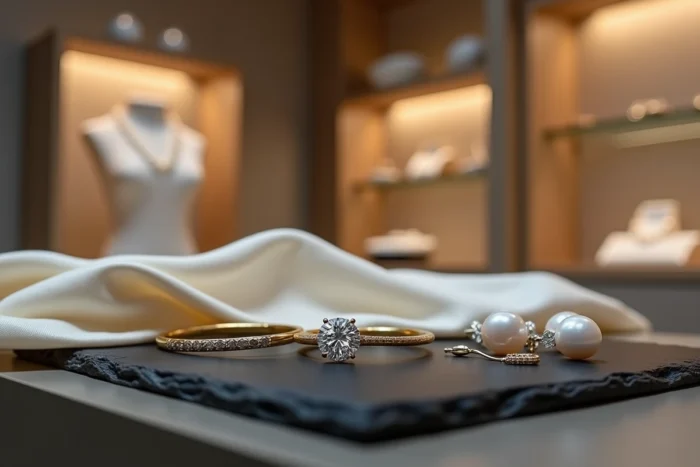
When looking for an engagement ring in 2026, the comparison naturally focuses on the carats of a round diamond. However, colored stones are taking on a role that they didn’t have three years ago, and the codes of fine jewelry are changing rapidly, driven by a clientele that values character over volume.
Colored stones and wedding rings: what is changing in jewelry
A synthesis conducted in 2024 by several houses members of the Comité Vendôme highlighted a rise of about 20% in sales of pink sapphires and tourmalines between 2022 and 2024. The signal is clear: future brides are choosing emeralds, tanzanites, or morganites instead of the classic diamond solitaire.
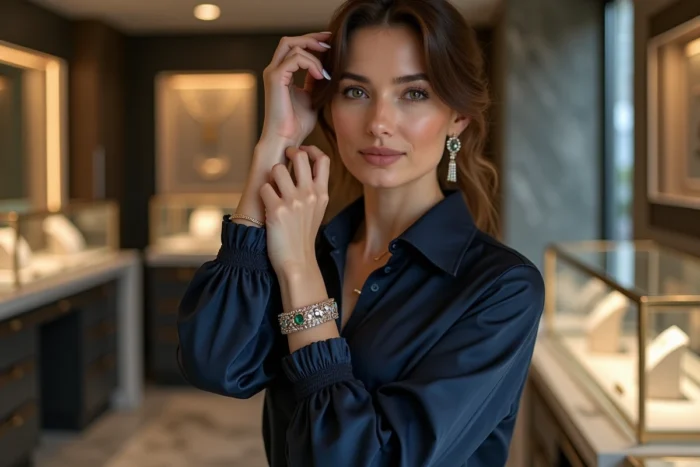
You can find news on the Eleganzia website, which regularly covers these market developments in jewelry and the new collections from designers. This shift towards color is not limited to rings: necklaces and earrings are following the same trajectory, with settings in rose gold or yellow gold that highlight lesser-known stones to the general public.
What stands out on the ground is that independent jewelers are also getting involved. We are no longer just talking about the big houses of Place Vendôme. More modest workshops are offering pieces set with colored stones at prices well below high jewelry, while maintaining careful artisanal craftsmanship.
Silver and gold-plated jewelry: accessible pieces that are moving upmarket
The market for fine jewelry is not limited to the luxury segment. Silver and gold-plated jewelry is experiencing a clear revaluation, driven by brands that invest in design without skyrocketing prices.
Three trends are emerging in this segment:
- Pendant necklaces are making a strong comeback, worn alone or layered, with finishes that mimic fine jewelry work (careful setting, discreet clasps, mirror polishing).
- Thick chain bracelets, inspired by bold chains seen in high jewelry, are available in 925 silver and gold-plated at accessible prices.
- Asymmetrical or sculptural earrings, which take cues from contemporary design, are gaining ground over classic hoops.
Thick gold plating is gradually replacing fashion gold in showcases. Customers want jewelry that lasts over time, not a disposable accessory. Feedback on the actual durability of plating varies by brand, but the underlying trend is clear: expectations are rising without moving to all-massive gold.
Lab-grown diamonds vs natural diamonds: a choice that weighs on the market
We cannot talk about news in jewelry without addressing synthetic diamonds. Their prices have dropped significantly in recent years, and they now represent a growing share of sales, particularly in the segment of rings around one carat.
The question that customers ask in-store is straightforward: why pay several times more for a visually identical natural diamond? The response from the major houses is based on rarity and resale value, two arguments that mainly resonate in the high-end market.
What this changes for choosing a piece of jewelry
For an engagement ring or a diamond necklace, the choice often hinges on the project. A lab-grown diamond allows for a larger stone size within a given budget. A natural diamond retains a heritage value that synthetic ones do not have, at least for now.
Jewelers who work with both types of stones say: the quality of the cut and setting matters more than the origin of the stone. A poorly cut diamond, whether natural or lab-grown, remains a dull diamond.
Jewelry and luxury in 2026: a segment that withstands the slowdown
While the global luxury market has slowed since mid-2024, jewelry stands out as an exception. Global jewelry sales have steadily increased over the past decade, confirming the resilience of this segment in the face of economic downturns.
This observation covers the entire spectrum, from independent workshops to houses on Place Vendôme. Jewelry is the luxury segment that best withstands the current slowdown.
Pearls, mother-of-pearl, and lapis lazuli: materials that are making a comeback
Beyond classic gemstones, there is a marked return of pearls in the 2026 collections. Not the wise pearls of our grandmothers: baroque, irregular pearls, set on contemporary designs. Lapis lazuli and mother-of-pearl are also appearing in pieces that blend watchmaking and jewelry, blurring the lines between bracelets and watches.
These materials allow creators to offer visually striking pieces without relying on the prices of diamonds or sapphires. For buyers, it’s an opportunity to acquire a piece of jewelry with a strong identity without the high jewelry budget.
The fine jewelry market in 2026 is structured around more assertive choices: color over transparency, character over carats, design over mere market value. The houses that capture this evolution are those that offer pieces that are readable, wearable, and distinctive enough to be recognized on the wrist or neck without needing to read the label.